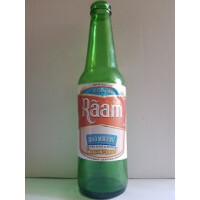
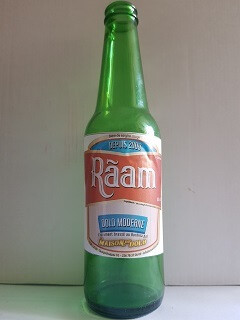
Raam
UMAO in Ouagadougou, Burkina Faso 🇧🇫
Traditional Beer Regular|
Score
4.36
|
|
Dolo de sorgho supérieur à base d'eau, de sorgho finement malté et de levures sélectionnées.
Sign up to add a tick or review

3.8/10
—
Appearance 5
Aroma 4
Flavor 3
Texture 4
Overall 3.5
Clear, darker golden, smaller white head, nonlasting. Moderately sweet nose, corn and some honey presence, some spices could also be noted. Medium bitter, slightly sweet, a bit medicinal. No real aftertaste, just slightly medicinal. Light. Had worse.
Tried
on 21 Jun 2026
at 09:54

1/10
—
Appearance 1
Aroma 1
Flavor 1
Texture 1
Overall 1
Sample ThxTim 2026-03-21 Göteborg
AR: elephant pee, low carbonated
AP: hazy coppery, wee white lid
F: elephant pee, low carbonated
AR: elephant pee, low carbonated
AP: hazy coppery, wee white lid
F: elephant pee, low carbonated
Tried
from Bottle
on 23 Mar 2026
at 21:44
4/10
Tried
on 23 Mar 2026
at 16:11

2/10
—
Appearance 4
Aroma 2
Flavor 1
Texture 4
Overall 1
11/I/26 - 33cl bottle as a gift, shared @ home, BB: n/a, lot 10/19 (2026-43) Thanks to Alengrin for the bottle!
Clear orange beer, no head; aroma: weird, smells like a jar of bamboo shoots, slightly fruity, some tangerines, chemical, clay, funky, oh boy, this is gonna be a treat, isn’t it? MF: no carbon, light body. Taste: soft acidity, chemical, bamboo shoots, sourish, weird. Aftertaste: more chemical, funky, jarred bamboo shoots, dirty, bleh, don’t like it at all. But I am very glad I got to try this! Big thanks Wim!
Clear orange beer, no head; aroma: weird, smells like a jar of bamboo shoots, slightly fruity, some tangerines, chemical, clay, funky, oh boy, this is gonna be a treat, isn’t it? MF: no carbon, light body. Taste: soft acidity, chemical, bamboo shoots, sourish, weird. Aftertaste: more chemical, funky, jarred bamboo shoots, dirty, bleh, don’t like it at all. But I am very glad I got to try this! Big thanks Wim!
Tried
from Bottle
on 11 Jan 2026
at 20:00

1.9/10
—
Appearance 4
Aroma 2
Flavor 1
Texture 2
Overall 1.5
Sample courtesy of Grumbo. Thanks. Hazy amber with a small white head. Aroma is sweet, malty and pretty much like the elephant keep in the zoo, which is a first for me in a beer. Flavor is medium sweet and slightly sour. Sweet and slightly sour finish. 170322
Tried
on 17 Mar 2022
at 17:06
2.8/10
—
Appearance 4
Aroma 2
Flavor 2
Texture 4
Overall 3
Sample from Graha,m. Frothy white fair mostly diminishing head. Unclear amber colour. Light malty and hoppy aroma. Manure notes. Light bitter flavor. Average light bitter finish. Watery palate.
Tried
on 17 Mar 2022
at 17:05

3.2/10
—
Appearance 4
Aroma 4
Flavor 3
Texture 4
Overall 2
Sample courtesy Grumbo. Nice head with good duration. Color is hazy dark amber. Aroma and taste are notes of elephant dung, malt, caramel and hops. Quite odd!
Tried
on 17 Mar 2022
at 17:04

5.2/10
—
Appearance 6
Aroma 5
Flavor 5
Texture 6
Overall 5
Sample courtesy of Grumbo, cheers Graham! Hazy orangey amber gold colour with reddish tinge, thin white rim and aroma of horseblanket funk, and a berry undernote. Taste is sweetish, fruity, berries, yeasty, with mucky farmyard funk, straw. Medium bodied, soft carbonation, sweetish mucky finish. OK.
Tried
on 12 Mar 2022
at 17:41
5.9/10
—
Appearance 4
Aroma 6
Flavor 8
Texture 4
Overall 5.5
15/2/2022. Bottle courtesy of Boris (and Aziz). Purveyors of all things good (and occasionally not so good) beer wise from Burkina Faso. This one pours somewhat murky amber brown with minimal head. Aroma of red berries, red grape, yeast, grain, straw, horse blanket, stable. Moderate sweetness, nice berry tartness. Moderate body, low carbonation. Quite took to this in the end.
Tried
from Bottle
on 15 Feb 2022
at 14:25
5.4/10
—
Appearance 4
Aroma 5
Flavor 6
Texture 6
Overall 5.5
330ml bottle [and yet another big thanks to Aziz!]. Hazy, brown colour with small, frothy, fading, off-white head. Initially smoky, grainy and earthy, fruity aroma, notes of toasted grain, straw, red berries, cowpat overtones, later more clean, pure, even with a biscuity and chocoltely touch. Taste is earthy, vinous fruity and slightly smoky, grainy, slightly diluted notes of blue grapes, red and blue berries, some smoked grain, sorghum, light tart-ish, fruity undertones. Creamy, watery texture, smooth and soft palate, soft to flat carbonation. As expected, minimally off-putting, dirty, smoky-grainy intro, but interesting, vinous fruity flavours, relatively clean taste - quite OK.
Tried
from Bottle
on 05 Dec 2021
at 14:59