
6.9/10
—
Appearance 8
Aroma 7
Flavor 7
Texture 6
Overall 6.5
28/VIII/21 - 33cl bottle from Willems (Grobbendonk), shared @ summer holiday in France, BB: 3/VI/22 (2021-981)
Little cloudy pale yellow beer, small creamy white head, stable, bit adhesive. Aroma: lots of citrs, fruity, floral, little soapy, sweet impression. MF: ok lively carbon, medium body. Taste: citrus, bit sourish, lemony, pretty bitter, hoppy, bit soapy. Aftertaste: fruity, bit sourish, oxidized, soapy, malty, gentle bitterness, honey, a bit oxidized.
Little cloudy pale yellow beer, small creamy white head, stable, bit adhesive. Aroma: lots of citrs, fruity, floral, little soapy, sweet impression. MF: ok lively carbon, medium body. Taste: citrus, bit sourish, lemony, pretty bitter, hoppy, bit soapy. Aftertaste: fruity, bit sourish, oxidized, soapy, malty, gentle bitterness, honey, a bit oxidized.
Tried
from Bottle
from
Bierhandel Willems
on 28 Aug 2021
at 19:00

5.6/10
—
Appearance 6
Aroma 6
Flavor 5
Texture 6
Overall 5.5
Golden to orange in colour with thin head. Fine carbonation. It's an unusual taste. Something of orange peel and quite sugary sweet too.
Tried
on 20 May 2021
at 20:01
6.9/10
—
Appearance 6
Aroma 7
Flavor 7
Texture 6
Overall 7.5
Dark brown and clear with thin head. Aroma and flavour have a surprisingly high level of dark bittersweet malts. Little hints of bitter cacao.
Tried
on 16 May 2021
at 15:50
5.1/10
—
Appearance 6
Aroma 5
Flavor 5
Texture 6
Overall 4.5
Clear yellow colour with thin head. It's a sweet pilsener although the ingredients don't mention any added sugar.
Tried
on 30 Apr 2021
at 16:55
6.9/10
—
Appearance 6
Aroma 7
Flavor 7
Texture 6
Overall 7.5
Straw blond with light haze and thin foaming head. Lots of grain in the aroma. Flavour has a citrus tang. Wheaty and quite dry which is a pleasant change for this often too sweet style.
Tried
on 25 Apr 2021
at 16:58
6.8/10
—
Appearance 8
Aroma 7
Flavor 7
Texture 4
Overall 7
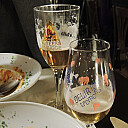
Besteld op 17-12-2020 bij Poseidon Beers en ontvangen op 18-12-2020. Thuis geproefd op 10-04-2021.
Speciale Ass wordt gebrouwen door Brouwerij Breda uit Leuven. Deze ontstond 400 jaar geleden in Leuven maar werd in de jaren zeventig opgekocht door ‘Stella Artois’. Sinds enkele jaren is de stadsbrouwerij terug actief in het centrum van Leuven.
SPECIALE ASS is een helder bier met een donkere koper kleur dat bij het uitschenken slechts weinig gebroken wit schuim aanmaakt in de vorm van een fijne laag. Het blijft wel sterk aan je glaswand kleven maar slaat snel neer tot er nog slechts een dun laagje van overblijft. Er parelen slecht weinig fijne CO2 belletjes omhoog en op de bodem van het flesje blijft nog een klein gistdepot over.
HET AROMA:
Zoet, suiker, karamel, rijpe banaan, mout, een houttint, wat vanille.
DE SMAAK:
Karamel zoet, wat bitterheid, mout, kruidnagel en vanille.
HET MONDGEVOEL:
Een volle body en een normaal prikkelend koolzuurgas.
DE NASMAAK:
Zoetig, banaan, mout, kruidnagel, de sterkere karameltoets gaat over in een bitterheid die wat langer blijft hangen.
HET TOTAALGEVOEL:
Een complex bier
HET VERDICT:
Een goed biertje in een te klein flesje. Karamel en kruidigheid spelen hier de hoofdrol, de karamel gaat in de late nadronk over in wat bitterheid. Dit is een leuk doordrink-biertje voor wie wat extra’s zoekt maar zoals ik stelde mag het voor mij toch een 33ger zijn. Nog een hint: drink het warmer dan de aangeraden 2 tot 4°C.
Mooie foto’s en info krijg je op:
http://www.beersfrombelgium.eu/nl/Speciale_Ass-b-4443.html
Speciale Ass wordt gebrouwen door Brouwerij Breda uit Leuven. Deze ontstond 400 jaar geleden in Leuven maar werd in de jaren zeventig opgekocht door ‘Stella Artois’. Sinds enkele jaren is de stadsbrouwerij terug actief in het centrum van Leuven.
SPECIALE ASS is een helder bier met een donkere koper kleur dat bij het uitschenken slechts weinig gebroken wit schuim aanmaakt in de vorm van een fijne laag. Het blijft wel sterk aan je glaswand kleven maar slaat snel neer tot er nog slechts een dun laagje van overblijft. Er parelen slecht weinig fijne CO2 belletjes omhoog en op de bodem van het flesje blijft nog een klein gistdepot over.
HET AROMA:
Zoet, suiker, karamel, rijpe banaan, mout, een houttint, wat vanille.
DE SMAAK:
Karamel zoet, wat bitterheid, mout, kruidnagel en vanille.
HET MONDGEVOEL:
Een volle body en een normaal prikkelend koolzuurgas.
DE NASMAAK:
Zoetig, banaan, mout, kruidnagel, de sterkere karameltoets gaat over in een bitterheid die wat langer blijft hangen.
HET TOTAALGEVOEL:
Een complex bier
HET VERDICT:
Een goed biertje in een te klein flesje. Karamel en kruidigheid spelen hier de hoofdrol, de karamel gaat in de late nadronk over in wat bitterheid. Dit is een leuk doordrink-biertje voor wie wat extra’s zoekt maar zoals ik stelde mag het voor mij toch een 33ger zijn. Nog een hint: drink het warmer dan de aangeraden 2 tot 4°C.
Mooie foto’s en info krijg je op:
http://www.beersfrombelgium.eu/nl/Speciale_Ass-b-4443.html
Tried
from Bottle
on 14 Apr 2021
at 22:12
5.6/10
—
Appearance 4
Aroma 6
Flavor 6
Texture 4
Overall 6.5
Besteld op 17-12-2020 bij Poseidon Beers en ontvangen op 18-12-2020. Thuis geproefd op 6-02-2021.
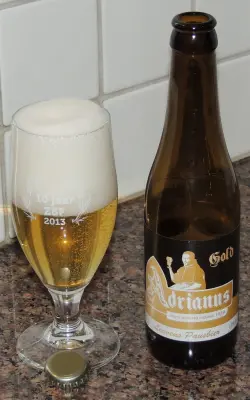
Adrianus Gold wordt gebrouwen door Brouwerij Breda uit Leuven. Brouwerij Breda ontstond 400 jaar geleden in Leuven maar werd in de jaren zeventig opgekocht door ‘Stella Artois’. Sinds enkele jaren is de stadsbrouwerij terug in heropbouw in het centrum van Leuven. Adrianus is een bier genoemd naar een Leuvense paus: Adrianus VI uit de 16de eeuw.
ADRIANUS GOLD is een lichtblond en helder bier dat veel wit schuim aanmaakt in een rotsachtige vorm. Het blijft sterk aan de glaswand kleven en blijft stabiel, op het eind van je proefervaring heb je nog steeds een fijn laagje van een vijftal mm op je bier staan. Er parelen veel CO2 belletjes van een normale grootte naar boven.
HET AROMA:
Zoetig, licht hopbitterig, ananas, banaan, graanmout.
DE SMAAK:
Licht hopbitterig, zoet, ananas, banaan, onrijpe peer, graanmout.
HET MONDGEVOEL:
Volle body met een stoffige textuur en een prikkelend koolzuurgas.
DE NASMAAK:
Vloeit wat uit en is licht hopbitterig, zoetig, banaan, graanmout en ietsje van kruidnagel.
HET TOTAALGEVOEL:
Een harmonieus bier.
HET VERDICT:
Geen slecht blondje maar alle sensaties komen in mineur, nergens een uitschieter.
Info en foto’s vind je op:
http://www.beersfrombelgium.eu/nl/Adrianus_Gold-b-4428.html
Adrianus Gold wordt gebrouwen door Brouwerij Breda uit Leuven. Brouwerij Breda ontstond 400 jaar geleden in Leuven maar werd in de jaren zeventig opgekocht door ‘Stella Artois’. Sinds enkele jaren is de stadsbrouwerij terug in heropbouw in het centrum van Leuven. Adrianus is een bier genoemd naar een Leuvense paus: Adrianus VI uit de 16de eeuw.
ADRIANUS GOLD is een lichtblond en helder bier dat veel wit schuim aanmaakt in een rotsachtige vorm. Het blijft sterk aan de glaswand kleven en blijft stabiel, op het eind van je proefervaring heb je nog steeds een fijn laagje van een vijftal mm op je bier staan. Er parelen veel CO2 belletjes van een normale grootte naar boven.
HET AROMA:
Zoetig, licht hopbitterig, ananas, banaan, graanmout.
DE SMAAK:
Licht hopbitterig, zoet, ananas, banaan, onrijpe peer, graanmout.
HET MONDGEVOEL:
Volle body met een stoffige textuur en een prikkelend koolzuurgas.
DE NASMAAK:
Vloeit wat uit en is licht hopbitterig, zoetig, banaan, graanmout en ietsje van kruidnagel.
HET TOTAALGEVOEL:
Een harmonieus bier.
HET VERDICT:
Geen slecht blondje maar alle sensaties komen in mineur, nergens een uitschieter.
Info en foto’s vind je op:
http://www.beersfrombelgium.eu/nl/Adrianus_Gold-b-4428.html
Tried
from Bottle
from Poseidon Beers
on 09 Feb 2021
at 13:43
6/10
—
Appearance 7
Aroma 6
Flavor 6
Texture 5
Overall 6
Hazy orange body. White fizzy head. Nose of orange, hops, ... lightly bitter flavour. Ok.
Tried
on 28 Dec 2020
at 16:47

6.1/10
—
Appearance 8
Aroma 6
Flavor 6
Texture 5
Overall 6
'Unofficial' abbey ale referring to Adrian of Nicomeda, linked to the municipality of Geraardsbergen - I fail to see a link with Leuven where this beer is brewed, but anyway. Very thick and foamy, rocky (tetra hops extract?), eggshell-white, audibly crackling, tightly cobweb-lacing, stable head on an initially crystal clear, pale 'metallic' golden beer with fierce sparkling, very champagne-like; turns into a misty yellow blonde with sediment. Aroma of ripe banana, freshly baked white bread, green apple (acetaldehyde), plaster, chewing gum without the sweetness, dry straw, cold camomile tea, minerals, flour, hard green pear, hint of mud or damp earth. Crisp, fizzy onset, strong (over)carbonation adding sourness and a numbing effect to a basically sweetish fruitiness filled with banana ester (isoamylacetate), green apple, pear and unripe (non-sweet) pineapple; slick, lean body, but harshened by the overcarbonation. Wheaty-sourish and -soapy middle with a light-footed white-breadiness, ongoing banana and apple effects, slightly honeyish and sweetish but not overly so, simply moving on to a rather disappointing finish in which not much else happens apart from a floral hop bitter touch and increasing spicy phenols (clove, very vague eucalyptus). White bread sweetishness, banana and apple remain the dominant factors. A bit of a bummer: very simplistic, bland and 'levelled' in flavour, clean and straightforward but not leading anywhere; dramatically lacks character, this is like an industrial pale lager trying to upscale itself by being a so-called 'abbey ale'. Apparently intended to evoke the character of Rhine wines (with beer professor Delvaux joining forces) and even if I do see what they mean, I am still bored to death here - and the harsh overcarbonation does not help. Putting the name of a largely forgotten saint (except for Geraardsbergen I suppose) on the label of an all too easy 'doordrinker' blonde, regardless of its admittedly interesting intentions, does not often result in an interesting beer. I truly hope this resurrected Breda brewery at least does the old Peterman tradition justice, because this one for me fails to impress.
Tried
on 01 Dec 2020
at 14:41
7.5/10
—
Appearance 8
Aroma 8
Flavor 8
Texture 6
Overall 7
Now here is an interesting one: Leuven revivalist Brouwerij Breda presenting this Peeterman as one of their core beers, something which immediately drew my attention when I first heard about it earlier this year. The name 'Peeterman' or 'Pieterman' in itself was the nickname of the inhabitants of old and proud Leuven, linked to the 10th-century Sint-Pieters church as the heart of the city, but metonymically also refers to the style of wheat ale that was brewed there, a 'thicker' and stronger brother of Hoegaarden's witbier, with a sourish character (which the 'real' witbier also had, historically at least). This historical wheat ale style enjoyed great popularity in and around Leuven from the 16th to the 19th century but, like indeed Hoegaarden's witbier of Bavaria's Weissbier, went into decline in the 20th century when standard pale lager conquered the Belgian beer drinking population - the last brewery producing 'a' Peeterman, as this name is to be seen as a generic name and not a brand name, was De Eendracht, where it was made until 1974. The great Michael Jackson, in his immensely influential pioneering work of describing the old European beer styles and traditions, claimed to have been searching for this beer a year later after hearing that the central station's cantina still had some stock left - only to find that it had already gone by then. Artois, the Stella brewer and historical 'core' of what has meanwhile evolved into AB InBev, did make an attempt to relaunch a Peeterman onto the market in the eighties, but discontinued it soon after, focusing on their then recently acquired Hoegaarden Witbier instead. So, in the absence of a living tradition and thus the absence of a Peeterman style category on this site, I had to classify this new embodiment of Leuven's old city beer by Brouwerij Breda as a witbier because this is the closest living relative of it, but I could just as well have picked 'traditional ale' or perhaps even 'gruit', with which both Peeterman and witbier share a common ancestry; in any case I think it is important to stress that this extinct genre of Brabantian wheat ale has its own history and its own pedigree, parallel to Hoegaarden's witbier - so it should not be judged as a copy of Hoegaarden and its offspring, but as a separate kind of beer with no living frame of reference. Produces a lot of towering, egg-whithe, nicely cobweb-lacing, bit irregular foam during pouring, slowly retreating later on but nevertheless remaining thick and completely closed forever, on top of a lightly hazy, deep and warm 'old gold' beer with orange hue and enthusiastic sparkling. Aroma of dried lemon zest, a sprinkle of lime even, bread crust, lemon thyme, rusk, dry strawbales, freshly cut red apple, halfripe banana, hints of sourdough, dried apricot, clove, dried sage. Crisp, fruity onset, green apple and lime sourishness in a gentle, mild, straightforward but very pleasant and refreshing way, next to sweeter notes of peach and banana; finely tingling but generally softish carb, slick mouthfeel with that typical wheat soapiness to it - the wheat also contributing to the yeasty sourishness, but again balanced by rusk- and bread crumb-like barley. Fruity notes and this zesty, zingy yet mild sourness continue into a bready, restrainedly spicy-phenolic finish, where subtle impressions of sage, thyme and clove return, followed by a floral, 'deep' but gentle hop bitterness; the sour aspect of the beer, however mild and 'thin', stretches even a bit further than this into the finish, making it the lasting impression, with almost citrusy, but in any case fruity character. This is an absolutely lovely beer - I am not witbier's biggest fan generally speaking even if I can appreciate a well-made artisanal one from time to time, but as said, this is not witbier, this is Peeterman... I sadly never had the Artois version from the eighties, but this Breda interpretation certainly matches the main characteristics of the historical Peeterman I read about (too bad, though, that for such a historically ambitious beer no more details are provided concerning the ingredients used); I do think that this one is a lot cleaner and less 'wild' and sour than the 'Peetermannen' of previous centuries, but it certainly gives a good general idea of what it must have been like. Too bad that a time machine does not exist, so I'll have to judge this based on my general enjoyment and the pure 'book knowledge' I have of the style: a credible example in its main features, and more importantly, a beer of elegance and finesse, more so than any of the other Breda beers - clearly this one is their flagship brew and by far their most relevant contribution to the still expanding Belgian beer world. I am convinced, however, that in this day and age where sour beer styles have not only been rediscovered but often even worshipped by beer geeks, the long forgotten Peeterman may very well experience something of a revival, if executed by the right people. I'll happily drink another one to that. Cheers Leuven!
Tried
from Can
on 10 Nov 2020
at 23:11