About
The world of beer is incredibly rich and divers. We want our beers to echo that diversity. We want to pair tradition with innovation,we respect our Belgian roots but we also keep track of evolutions in Belgium and abroad,
Our brewing installation was custom built for us to enable us to go wide in beerstyles en wild in our experiments. From blonde to dark, bitter to sweet, malty to hoppy, fruity or roasted, quaffable or sturdy,…anything goes.
We started our very first ‘brewmonth’ with a pale ale, afterwards we brewed a farmhouse tripel, aWest Coast IPA and a Baltic Porter.
We immediately set the tone for what you can expect from us, a trip around the world in beer. Sometimes quite familiar, other times surprisingly new but always worth the travel.
7.5/10
—
Appearance 7
Aroma 8
Flavor 7.5
Texture 7
Overall 7.5
Can shared thanks to Alexander. Bit hazy light golden. Lemon, dank weedy hops, limonchello, lots of tangerine, wheat, lemon balm. Light sweet, bitter and sour. Medium bodied.
Tried
from Can
on 11 Jul 2026
at 18:29
6.5/10
—
Appearance 7
Aroma 6.5
Flavor 6.5
Texture 6
Overall 6.5
Golden colour and small white head. Light riped fruits and malts in the nose. Light-bodied to medium-bodied. Malts, some fruityness, light hops, clean palate. No Belgi vibe. Ok.
Tried
from Draft
at
Kanaal
on 08 Jul 2026
at 11:11
7.5/10
—
Appearance 7
Aroma 8
Flavor 8
Texture 6
Overall 7.5
From tap at Van Moll Fest 2026. Bretty and funky with grain, some citrus, vinegar. Puckering sour flavour, dry. Nice puckering funky Wild Ale.
Tried
from Draft
on 04 Jul 2026
at 22:56
7/10
—
Appearance 6
Aroma 7.5
Flavor 7
Texture 7
Overall 7
New summer beer from Dok, as a continuation of the raspberry sours they produced before - but now with passionfruit instead, further flavoured with hibiscus. Thin and open, loosely knit, off-pinkish white, bubbly 'head' over a rosy-tinged amber robe with cognac tinge, looking like a glass of Kir Royal once the 'head' is gone (a minute after pouring). Aroma of much more (dried) hibiscus flowers than passionfruit whereas I was hoping it was going to be the other way around (I can tolerate passionfruit but I hate hibiscus in beverages), roselle juice- and Rooibos-like, with a heavy lactic effect from the lactic bacteria - almost like spoiled Camembert, sided by notes of toasted grains, rye bread, barbecue spices, blood orange, rosehip, grilled turkey, salmon from a can. Sweetish and sourish onset, pronounced minerality from very small-bubbled yet active carbonation, fruity aspects more reminiscent of watermelon, rhubarb and guava (albeit all vague) than actual passionfruit (oddly, as passionfruit tends to be very recognisable); lactic sourness runs gently underneath a grainy base, in which slick wheat malts and spicier rye are identifiable. The oats create extra velvetiness and smoothness I suppose while the flavours shift to something more meaty (raw horse steak almost) and very herbal, coming from the hibiscus which dominates not just the colour and orthonasal aroma, but the actual flavour as well. A soft tea-like bitterishness softly dries the finish while the flavours fade. Much more hibiscus-forward than passionfruit-forward for some reason, drier than it may seem with an only soft but important lactic sourishness running through the whole, but not very 'beery' and though this doubtlessly serves its purpose as a summer quencher (or may even be an interesting component of some summery cocktail); a Florida Weisse of sorts, in all, but not my personal cup of tea even if it is altogether well made - and I maintain that the passionfruit should have been stronger.
Tried
on 20 Jun 2026
at 22:08
7.3/10
—
Appearance 7
Aroma 7.5
Flavor 7.5
Texture 7
Overall 7
Refreshing take - literally, I hope - on the old witbier theme, in which the coriander seed is replaced by sansho pepper (the Japanese form of sichuan pepper, often described as more citrusy) and the curaçao by Buddha's hand (a very unique type of citrus fruit of which the rind only can be used); moreover the classic Saaz and Hallertau Mittelfrüh hops here are enriched with postmodern Merkur adding further citrusiness (though not very outspoken as such, at least not as outspoken as American C-hops, for example). Thinnish and eventually dissolving, snow white, sparsely lacing, tiny-bubbled ring of foam and flat 'islands' in the middle, misty pale lemon-yellow blonde robe with olive-greenish tinge and thin but very active strings of sparkling. Aroma of the sansho pepper upfront though not all-overpowering at all, perfumey lemon blossom rather than actual citrus peel (the Buddha's hand of course), soapy wheat, actual white soap even, green pear, star jasmine, soba noodles, something lightly earthy (in a dry and not unpleasant kind of way but unexpected), lemon zest, white bread crust, raw white cabbage, grass. Fruity onset, a bit sweetish with mostly hard Conference pear flavours, touches of unripe banana and apple perhaps, very carbonated even in a slightly stingy way - but the bubbles are very small so this helps the overall freshness rather than numbing the palate. Slick, supple wheaty core, with all that typical wheaty soapiness amplified by the perfumey qualities of the Buddha's hand, leading to a fragrant finish where the sansho pepper even accentuates the 'lemon-blossomy', flowery effect rather than bringing actual citrusiness, which remains unexpectedly low. Slight hop bitterish notes in the end, a tad floral and a tad citrus-peel-ish, but restrained, even if clinging to the root of the tongue a bit; meanwhile this perfumey effect goes on, and in this effect it remains difficult to distinguish how much of it comes from the Buddha's hand and how much from the sansho pepper - but someone who consumes these spices regularly, which is not the case for me, may be able to separate them more accurately. A dim but long-lasting, classic wheat sourishness gets the last word. Interesting take on the Hoegaarden theme, in its modern form consolidated in the sixties and seventies by Pierre Celis: replacing the classic coriander-curaçao combo by something else has been done before, but in Belgium at least and to my knowledge, not in such an 'Asian' way, which in itself opens perspectives for many other variants. The oriental spicing has produced a very perfumey, soapy, 'blossomy' effect here which may not be my personal cup of tea entirely, but it still connects with the base - in fact this beer is more recognisable as a Belgian wit than this spicing would suggest, which is in itself surprising. Not bad, but as a cool lover of witbier I think I would probably opt for any of Dok's many IPAs or APAs instead if seated on their outdoors patio in summer.
Tried
on 05 Jun 2026
at 23:25
8.5/10
Tried
from Can
on 03 Jun 2026
at 12:49
7.4/10
—
Appearance 7
Aroma 8
Flavor 8
Texture 8
Overall 6
A variation on the grisette theme, a beer style from the early 20th century, when there were at least fifty around, mostly in the Hainaut province; this saison relative went extinct in World War II though its name (and name only) survived in Friart's portfolio (the Saint-Feuillien brewery); only with the advent of the U.S.-driven craft beer movement did some Belgian brewers begin to reach back to this forgotten style, reviving it and creating variations on it like this New Zealand-hopped, low-alcohol Dok interpretation. Can bought in some supermarket in Ghent, canned in late January so exactly four months old now. Thick, frothy, snow white, firm, bit irregularly edged, slightly paper-lacing, thinning but stable head on a lightly hazed, pale straw blonde robe with lemon-yellow glow. Aroma of pomelo zest, lime peel, 'mock' mojito, kaffir lime leaf, raw broad beans, lemon orchard (probably that typical "whole orchard" effect of the Rakau), chayote, pear skin, unripe white grapes, raw quince, water mint, fresh white bread dough. Dryishly green-fruity onset, crisp and refreshing, lively carbonated with agreeable minerality running through the whole; flavours reminiscent of chayote, cucumber, green pear and pomelo, slender green-cereally core, picking up a grassy and cucumber peel-like effect as it goes down - ending with a confident, somewhat powdery (from dryness, not from hop burn), 'pale green' hoppiness filling the final stage of this beer completely, with retronasal aromas of kaffir lime leaf, green guava and lemon blossom and with a tenacious grapefruity, even rooty bitterness cleansing whatever limited sweetishness there was (hardly any, for that matter). A feisty little beer, at 'tripel tafelbier' strength this packs a lot of flavour, which does not surprise me from Dok anymore, but it does so in a well-informed, knowledgeable way. That said, I remain totally unimpressed with that 'grisette' thing: if there are still elderly people alive today who drank actual grisette when it was still a 'living' style, theoretically possible since I believe the last historical grisette was discontinued somewhere in the seventies (correct me if I am wrong), then I dare Dok to offer them a sample of this and see if they react with any sign of recognition. This is more a low alcohol IPA of sorts if you ask me, but I hasten to admit that 'IPA' too is a term all too broadly used today so this probably creates a whole new discussion I am not willing to participate in - but whatever it is, it is a characterful quencher and one I would happily drink by the gallon in the upcoming Ghentian summer.
Tried
on 22 May 2026
at 23:21
7.9/10
—
Appearance 7
Aroma 8
Flavor 8.5
Texture 8
Overall 7.5
American style brown ale - I have not seen that in a very long time but it was a thing in earlier days of U.S. craft brewing - created in collaboration with Van Moll, Eindhoven's craft brewing favourite, by Dok in Ghent. Can from the Delhaize at De Sterre in Ghent. Towering high, pillowy, foamy, glass-filling, dense, shred-lacing, pale brownish beige head on a lightly misty deep and dark chestnut wood brown robe with burgundy-reddish glow. Aroma of hard caramel, brown bread dough, wholegrain crackers, old pecan nuts, mace, spring blossoms (the Krush hops no doubt), rambutan (dito), toast, coffee grounds, green beans, something vaguely blood orange-like (Citra?), jasmin, sweetclover, raw pumpkin flesh. Fruity onset in a clean, sleek way, dried fig, unripe persimmon and vague pear-ish notes, relatively low in sweetness; lively carb, minerally stings throughout, in a smoothly dry-caramelly and brown bread-toasty dark maltiness, wholegrain crackers again but also something sweeter pecan-nutty, the latter aroma enhanced by the hops in this case, providing a herbal bitterness coating a deeper toasted bitterness. Those hops, Citra sounding like a logical choice for this style and Krush much less so, provide a very blossomy aroma retronasally, reminiscent of violets, chamomile, tropical orchids and cherry blossoms in spring. Something spicy (mace, old dried ginger) lingers at the back, probably the result of the hops and the malts combining into one whole - because even though this beer is apparently intended as a mindfuck, the only illogical thing about it is the choice for Krush hops, which I tend to associate with the sweet tropical fruitiness one expects to find in a hazy IPA rather than any kind of brown ale. However, after that initial clash, everything does fall into place - the tropical effect of the Krush not being so strong after all - and forms a credible, clean and nutty-malty brown ale experience. I love a good brown ale, English or American style, and this certainly is one - no doubt many consumers here in Ghent who visit Dok will expect a Belgian style dubbel, being unfamiliar with the totally different Anglo-Saxon brown ale, and perhaps this is the true mindfuck Dok intended... I can only imagine the frustration of the staff behind the bar having to explain the difference between both for the thirtieth time. As for me: this may well be the most believable and most enjoyable attempt at true brown ale so far made in Belgium. Packs a lot of flavour for its modest - but, to style, completely normal - ABV as well. I love this one.
Tried
on 16 May 2026
at 23:41
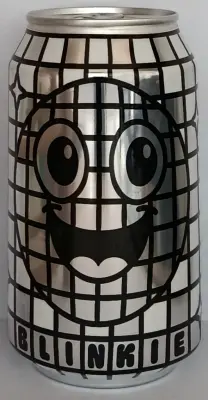
7/10
—
Appearance 6
Aroma 7
Flavor 7
Texture 8
Overall 7
Il gusto al naso è indirizzato verso il luppolo. L'olfatto viene stimolato in maniera elevata e l'esistenza olfattiva è sufficiente. Il cappello di schiuma resiste abbastanza. La grandezza delle bollicine è medio-fine. Il liquido è di aspetto nebbioso. Il colore è giallo torbido. Il corpo è strutturato. L'amaro è intenso. La forza gustativa è elevata e permane in maniera sufficiente. Le sensazioni boccali finali risultano luppolate. Il retrogusto è intenso e persistente. Al gusto vengono donati toni di miele, crosta di pane, frutta secca, agrumi, pompelmo, ananas, citronella, vaniglia e pesca.
Tried
from Can
on 07 May 2026
at 07:55